
Alianza Jambato
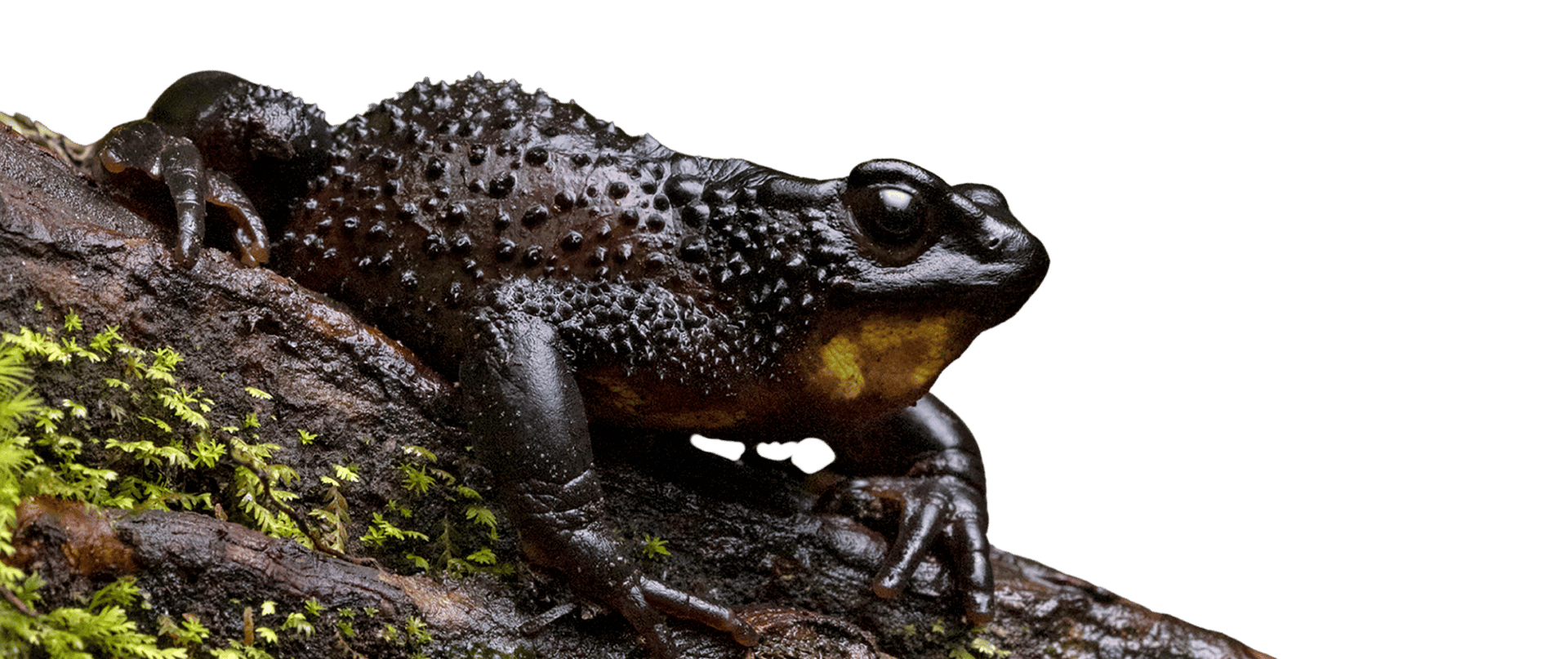
Foundation that seeks to unite efforts for the conservation of threatened biodiversity, based on an integral, multi and interdisciplinary conservation model, grounded in evidence and environmental education; and that actively involves local communities, recognizing their local and cultural context. We were born with our emblematic jambato conservation project (Atelopus ignescens), an endemic harlequin frog from Ecuador and critically threatened with extinction.
About Alianza Jambato
Alianza Jambato is a non-governmental, non-profit organization that was born by bringing together an interdisciplinary team of professionals and national and international institutions to work for the conservation of threatened biodiversity, species, and ecosystems.
Our framework of action includes the design, implementation, and execution of conservation programs that encompass projects for protecting and increasing vulnerable species populations and habitats, research, environmental education, community engagement, environmental communication, and sustainability.

Cinco años después del redescubrimiento del jambato
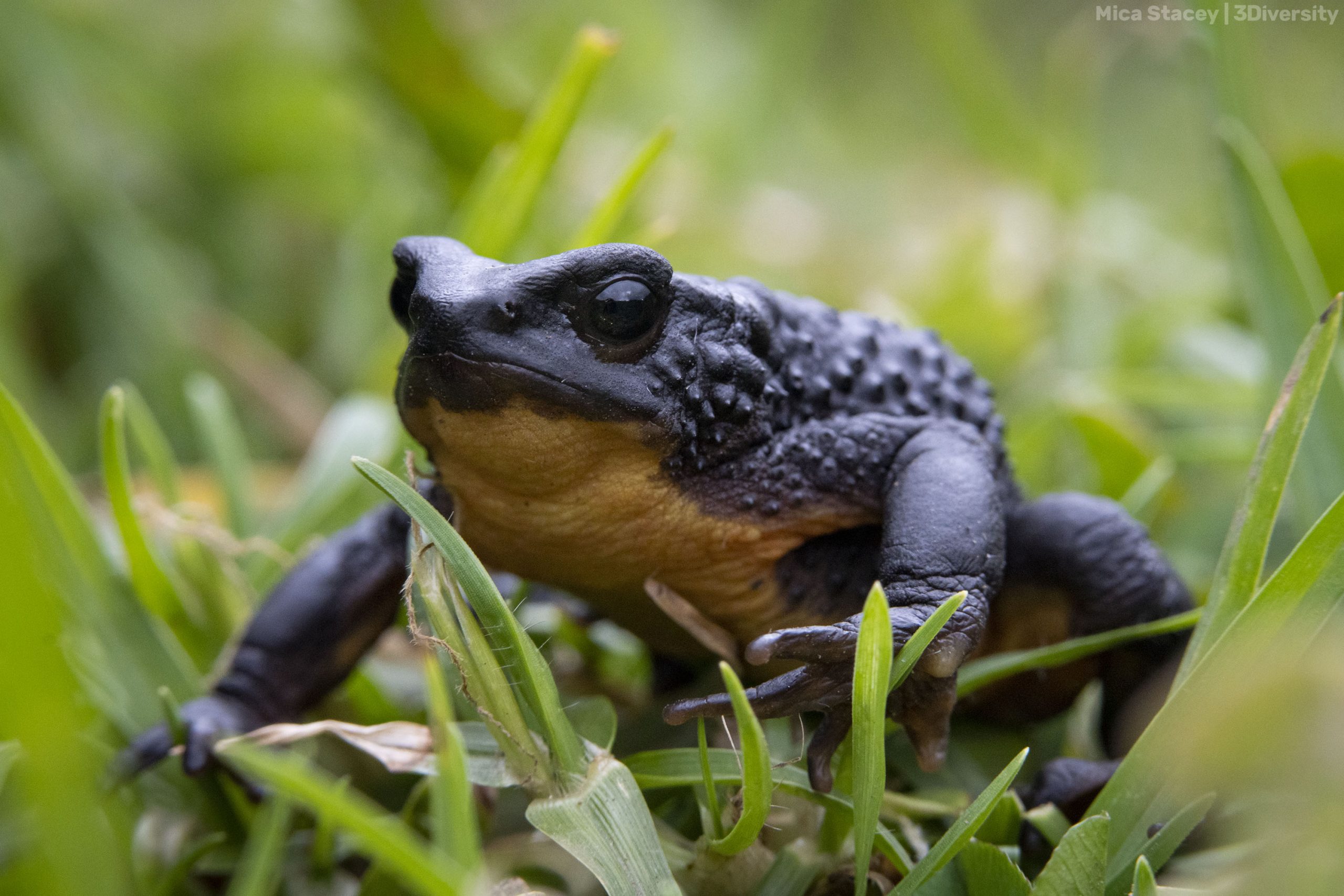
El jambato (Atelopus ignescens) fue, durante décadas, uno de los anfibios más emblemáticos y abundantes de los Andes ecuatorianos. Sin embargo, desapareció abruptamente a finales de la década de 1980; su último registro confirmado databa de 1988 y, en 2004, la Unión Internacional para la Conservación de la Naturaleza (UICN) lo declaró extinto.
Contra todo pronóstico, en 2016 la especie fue redescubierta en la parroquia Angamarca, cantón Pujilí, provincia de Cotopaxi. El hallazgo lo realizó David Jailaca, un niño de 12 años, mientras cortaba alfalfa cerca de su vivienda. Para él, se trataba simplemente de un sapo más de la zona, pues desconocía que científicos de todo el país llevaban años buscándolo. Solo al enterarse de que existía una recompensa para quien encontrara un jambato comprendió la importancia de su descubrimiento.
El redescubrimiento confirmó que la especie aún sobrevivía en este remoto valle andino. Sin embargo, durante los años siguientes no se desarrolló un programa integral de conservación para proteger la población silvestre en su hábitat natural.
Esta situación comenzó a cambiar en 2021, cuando se puso en marcha un proyecto de conservación in situ enfocado en proteger el último refugio conocido del jambato y trabajar de manera conjunta con las comunidades locales. Este proceso dio origen a la Alianza Jambato.
Angamarca
Último refugio conocido del jambato
The last known refuge of the jambato is located in Angamarca, a parish situated on the western Andean mountain range in Cotopaxi province. The area is rich in history, culture, and landscapes. However, contrary to what might be expected, the jambato was not found in pristine areas, but rather in pastures and farmlands. Thus, the jambato lives very close to the inhabitants of the parish.
Since the foundation’s beginning, we have worked closely with the communities and parish authorities, who are our main allies. Our work involves experiential place-based environmental education, knowledge exchange, and community science. In addition to workshops and field outings with children, adolescents, and adults, we also have local assistants who work alongside the researchers.
Buscamos fortalecer las capacidades locales y promover una cultura de conservación que permita a las comunidades conocer, valorar y proteger al jambato y su hábitat. Poco a poco, esta especie se ha convertido en un símbolo del territorio y en una especie bandera capaz de impulsar la conservación de otras especies amenazadas y de los ecosistemas altoandinos de los que dependen.
El jambato
El nombre científico del jambato, Atelopus ignescens, hace referencia al llamativo contraste entre el negro intenso de su dorso y el naranja brillante de su vientre, un patrón que evoca el aspecto de un carbón incandescente. De allí proviene el epíteto ignescens, que en latín significa "incandescente" o "que arde". Por su parte, su nombre común tiene origen en la palabra kichwa hampatu, que significa "sapo", reflejando el profundo vínculo histórico de esta especie con los pueblos andinos.
Es una especie diurna, terrestre y de movimientos lentos. Se reproduce en ríos de aguas corrientes, a partir de un abrazo nupcial conocido como amplexus. La hembra deposita los huevos en ríos y riachuelos, y sus renacuajos viven bajo las piedras, gracias a una ventosa que les permite adherirse fuertemente.
En nuestra fundación realizamos visitas mensuales para aprender más sobre la biología de este sapito, del que todavía nos falta mucho por conocer.
Una desaparición que se puede revertir
Esta animación narra, de forma sencilla y visual, la desaparición del jambato de los páramos ecuatorianos y su reciente reaparición en Angamarca. Nace como una herramienta de educación ambiental para acercar la historia de esta especie a nuevas audiencias y sensibilizar sobre la importancia de su conservación.

Animación por: ©Antonia Pérez Wagner
Milestones
Primeros fondos — Amphibian Survival Alliance
Segundos fondos — Stiftung Artenschutz
Compromiso comunitario
Estrategias de conservación in situ
Alianza sin precedentes
Resolución parroquial aprobada
Día del Jambato y Santuario del Jambato
Sitio AZE y primera KBA de anfibio en Ecuador
Más de 25 instituciones aliadas
Future Leader of Amphibian Conservation
Iniciativa emblema — Atelopus Survival Initiative
Creación de la Fundación Alianza Jambato
Gobiernos Autónomos Descentralizados se suman
Publicación científica en PeerJ
Guía de Anfibios y Reptiles de Angamarca
100% de instituciones educativas alcanzadas
Beca Synchronicity Earth — Congreso Mundial de Herpetología
Premio de Educación y Liderazgo Ambiental 2024
Beca Touzet-Velasco-Romo — USFQ
Plan de Acción participativo
XIII Congreso Latinoamericano de Herpetología — Costa Rica
Sentencia — Medidas de reparación
Fondo Ambiental — Municipio de Quito
Premios Verdes

Protegiendo el Jambato
Liderando la conservación del Jambato: María del Carmen Vizcaíno transforma comunidades con ciencia y pasión. Su trabajo al frente de la Alianza Jambato ha sido reconocido por Forbes Ecuador como un ejemplo de liderazgo ambiental que combina rigor científico con un profundo compromiso comunitario.
Leer en ForbesThe International Union for Conservation of Nature (IUCN) features Alianza Jambato in a publication shared by Leonardo DiCaprio.
In May 2022, the International Union for Conservation of Nature (IUCN) published an article recounting the rediscovery of the páramo black jambato (Atelopus ignescens) and the creation of Alianza Jambato as a model of collaborative conservation between local communities, scientists, and partner organizations. This inspiring story was shared on social media by actor and environmental activist Leonardo DiCaprio, bringing a message of hope and action for Ecuadorian biodiversity to a global audience.
The #Jambato Harlequin Toad vanished in the 1980s & for years it was lost, until 2016 when a young boy rediscovered it. A new alliance of Atelopus Survival Initiative partners is now working together to save this species. #ElJambato https://t.co/qGeEo8RI4Y
— Leonardo DiCaprio (@LeoDiCaprio) July 14, 2022
THE JAMBATO: FROM A SYMBOL OF EXTINCTION TO ONE OF HOPE
The black páramo jambatoAtelopus ignescenswas once a common toad in the Ecuadorian Andes until it mysteriously disappeared in the 1980s. Decades later, its unexpected rediscovery sparked new hope for its conservation.
This video tells the story of how a species declared possibly extinct managed to survive in a small valley, and how local communities, researchers, and allies have come together to protect it. It is a story of collaboration, resilience, and second chances that invites everyone to join the effort to prevent its permanent disappearance.
THE JAMBATO: FROM A SYMBOL OF EXTINCTION TO ONE OF HOPE
The black páramo jambatoAtelopus ignescenswas once a common toad in the Ecuadorian Andes until it mysteriously disappeared in the 1980s. Decades later, its unexpected rediscovery sparked new hope for its conservation.
This video tells the story of how a species declared possibly extinct managed to survive in a small valley, and how local communities, researchers, and allies have come together to protect it. It is a story of collaboration, resilience, and second chances that invites everyone to join the effort to prevent its permanent disappearance.
Jambato Negro: A Song to Remember
An emotional composition from the project “Harlequin Frogs, the Jewels of Our Forests and Páramos,” performed by Jacana Jacana and illustrated by Selva Selvita, celebrating the story and spirit of the jambato in the Ecuadorian Andes.


